
Malcolm Peacock
Of the sacred and eternal blessing
September 10–October 24, 2026
Sikkema Malloy Jenkins is pleased to present Of the sacred and eternal blessing, a solo exhibition of new work by Malcolm Peacock on view in the back galleries from September 10 through October 24th, 2026. Of the sacred and eternal blessing marks the artist’s first solo presentation at Sikkema Malloy Jenkins and in New York. A public opening reception with the artist will be held on Thursday, September 10, from 6–8pm.
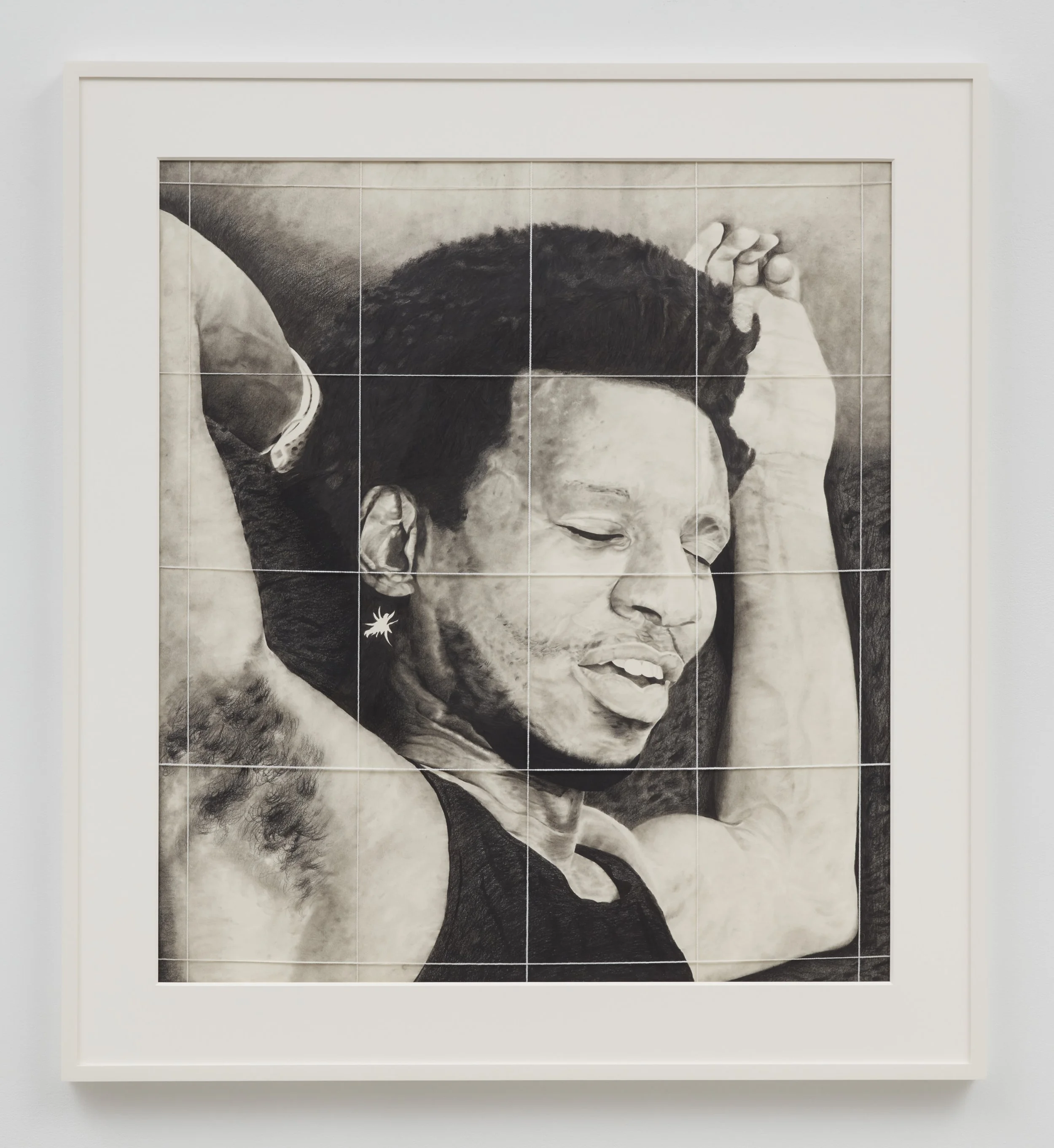
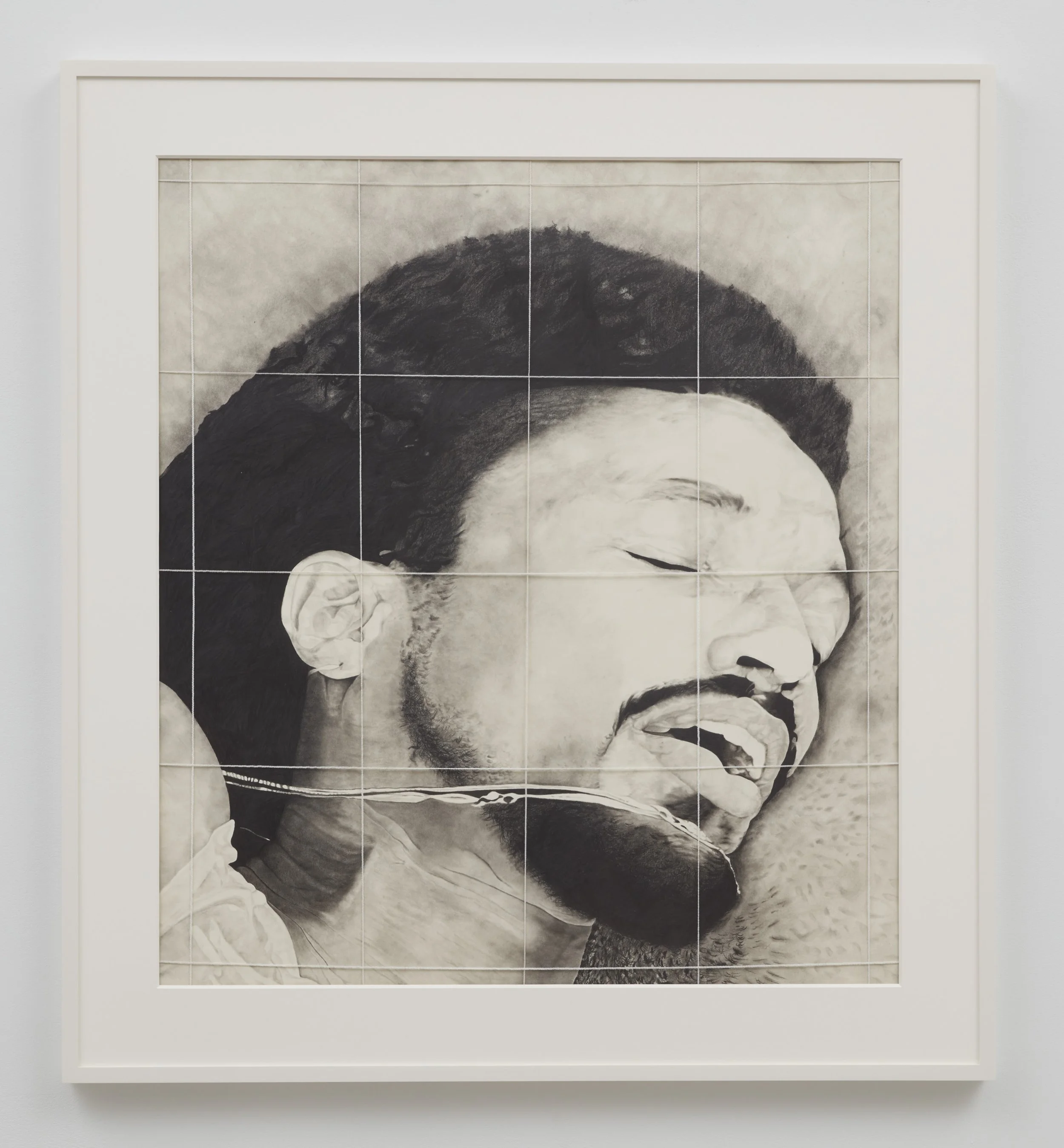
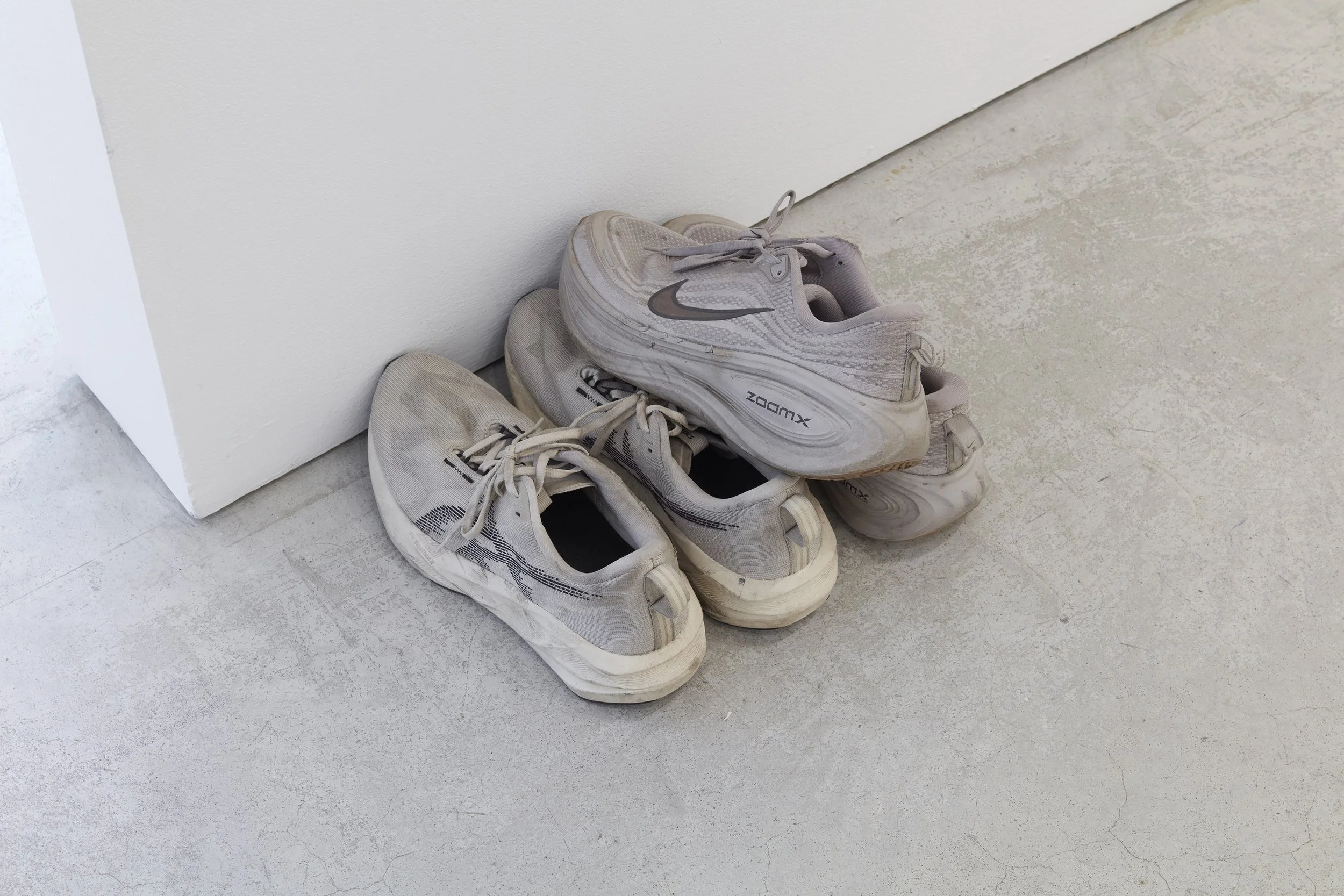
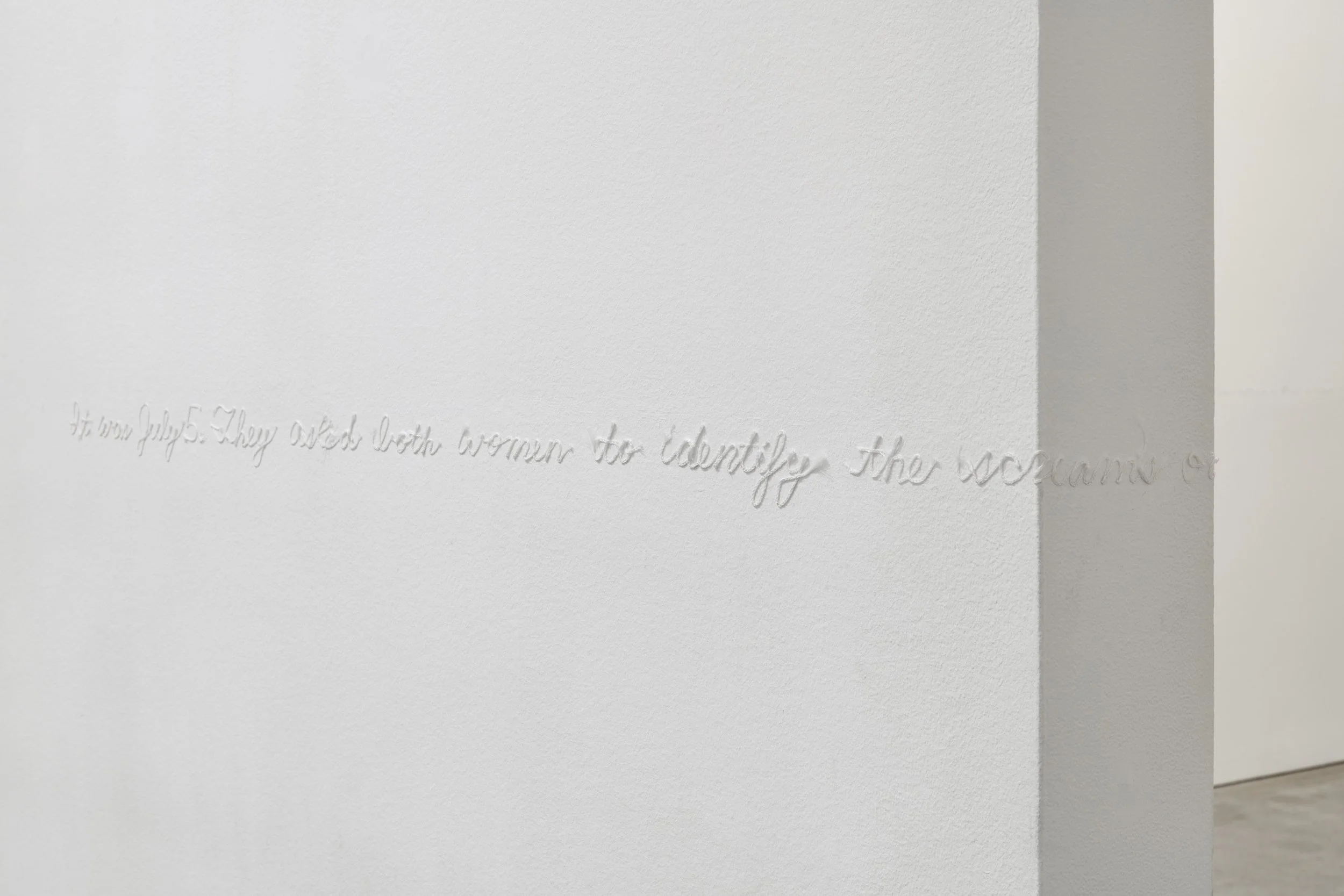
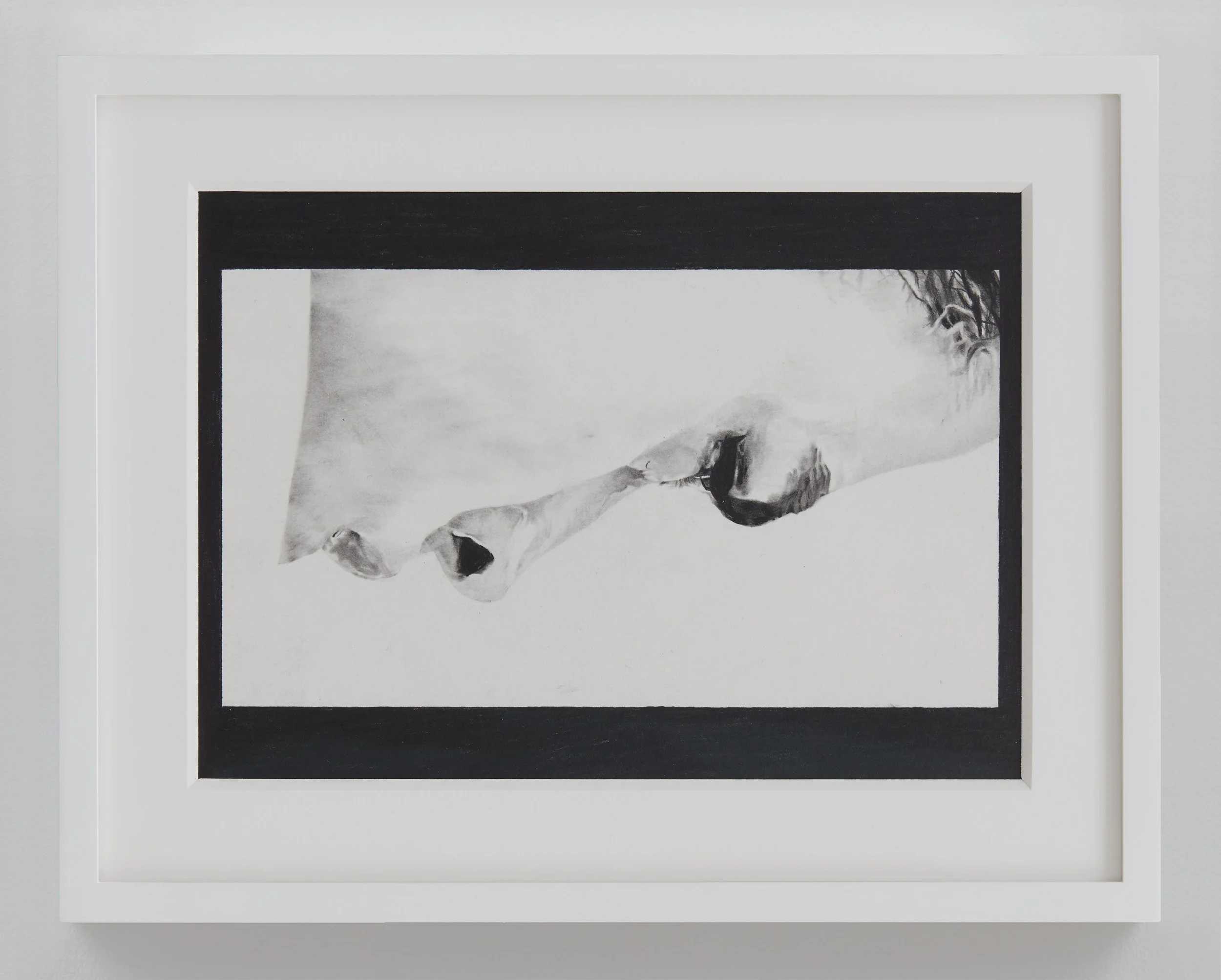
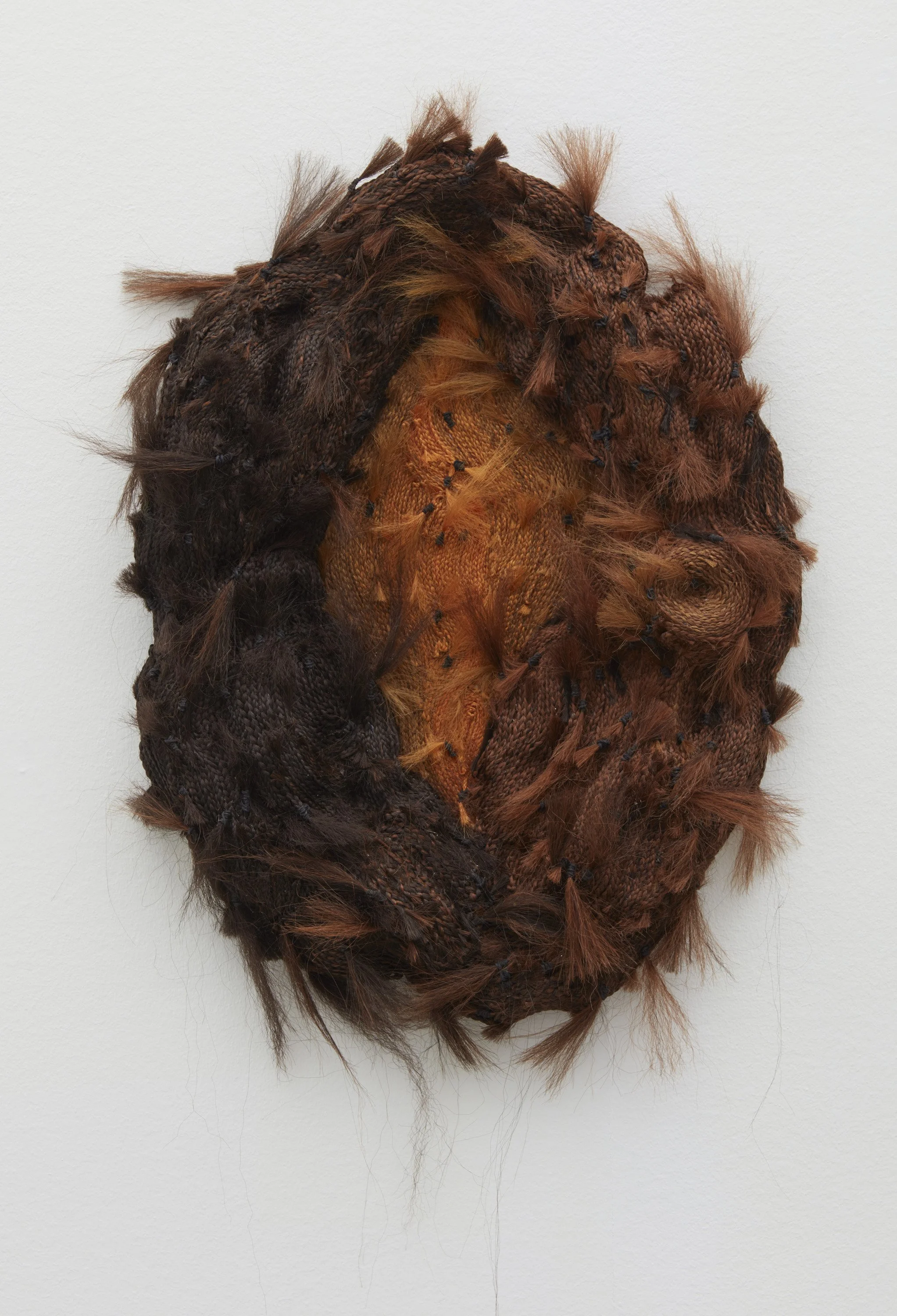
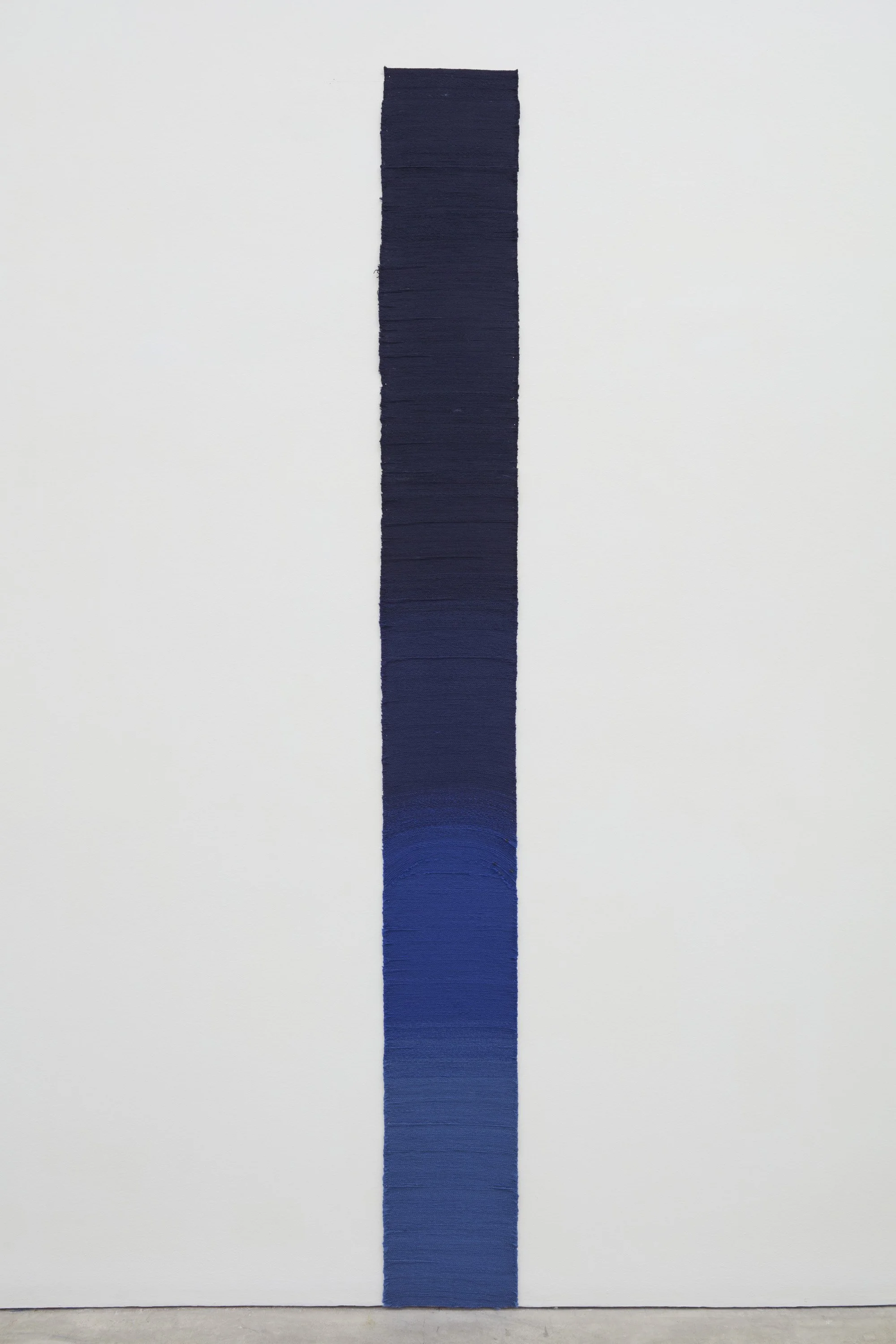
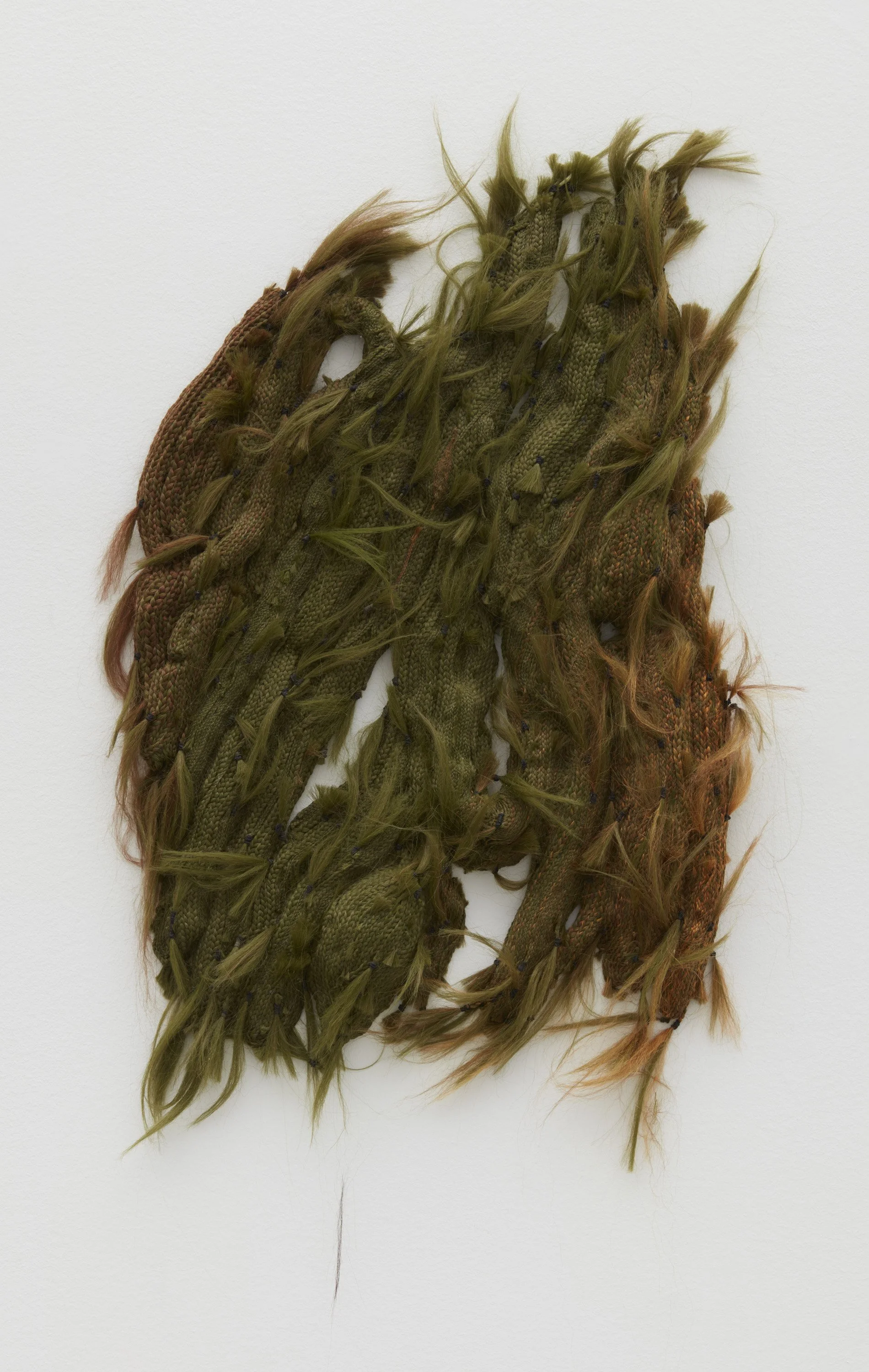
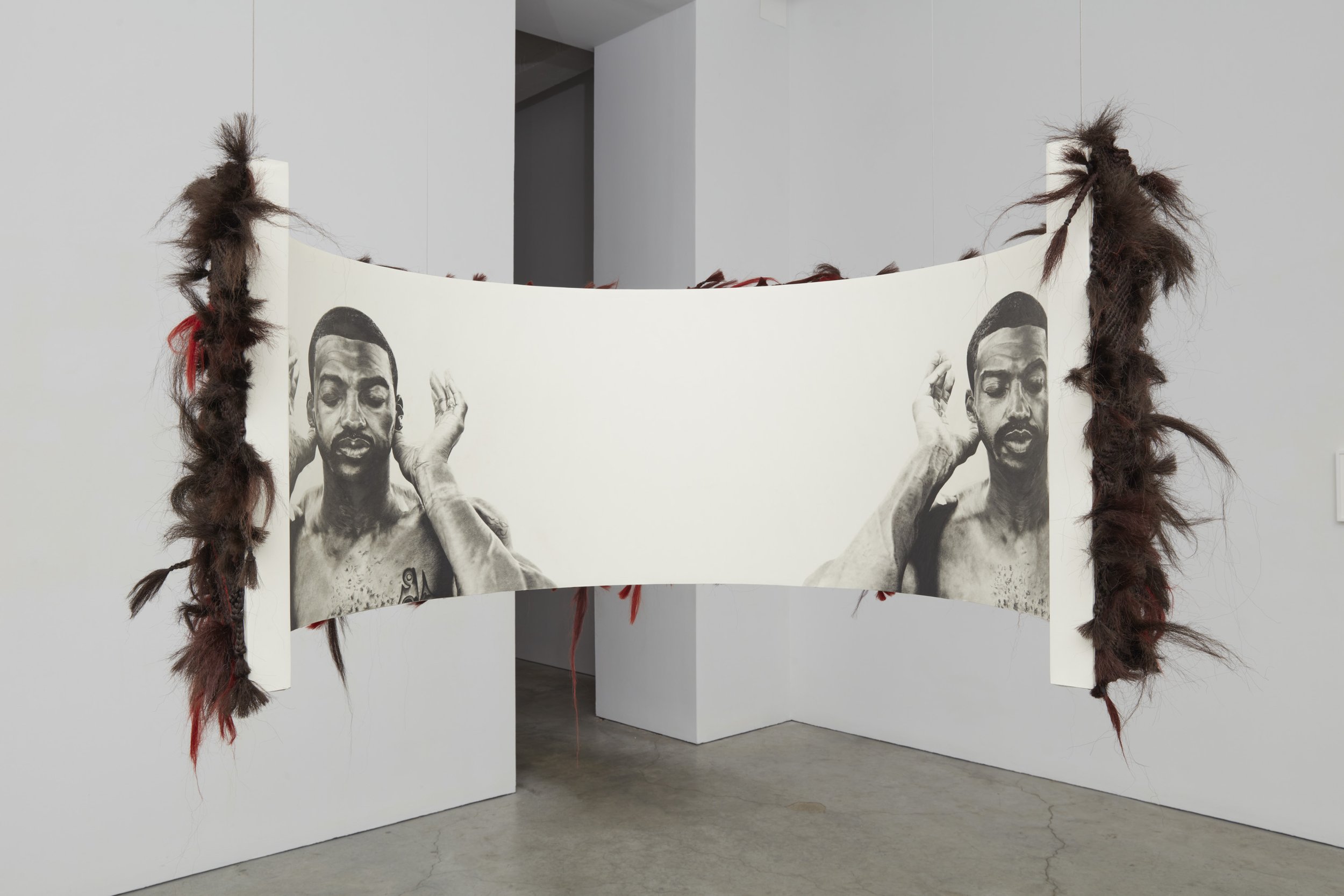
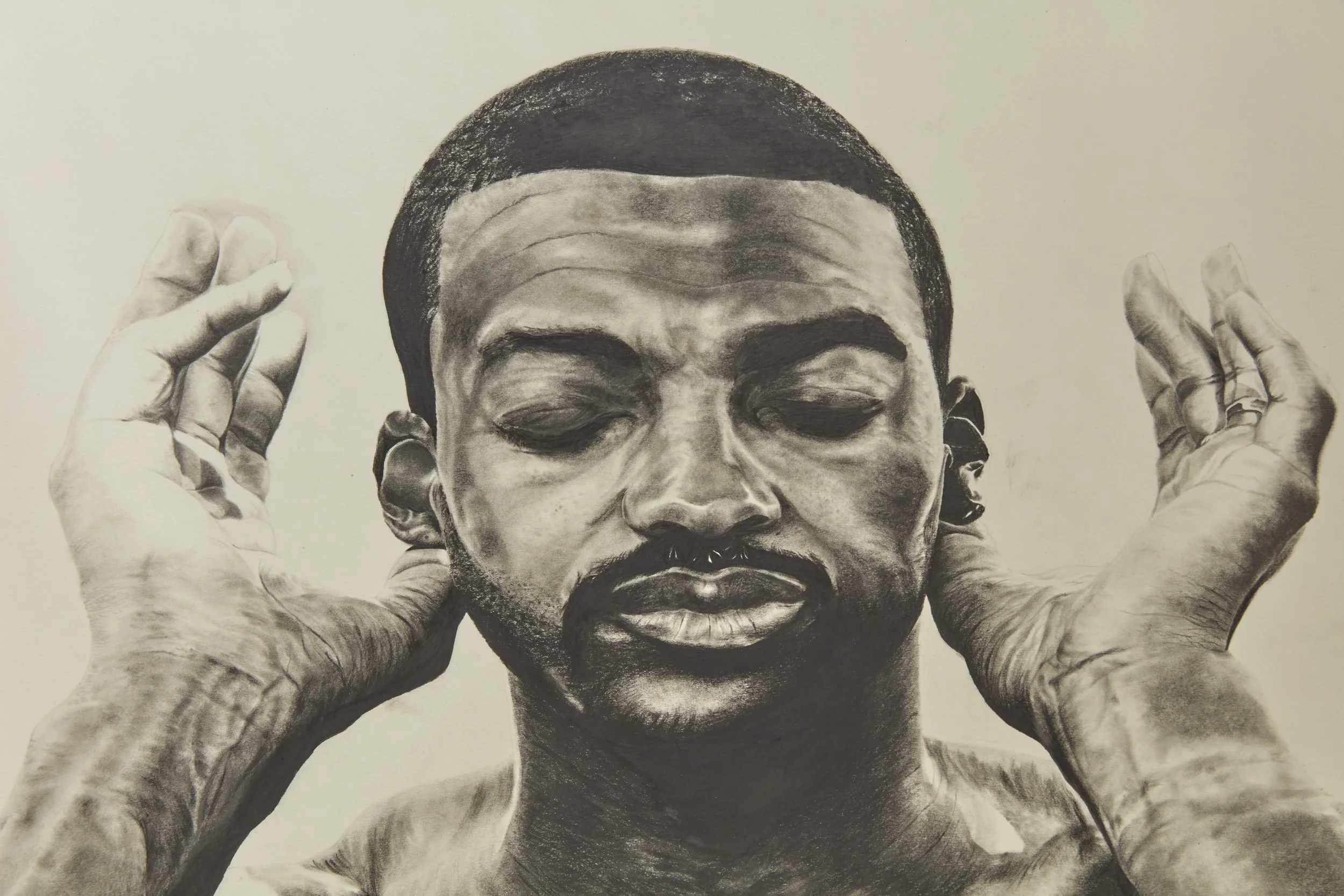
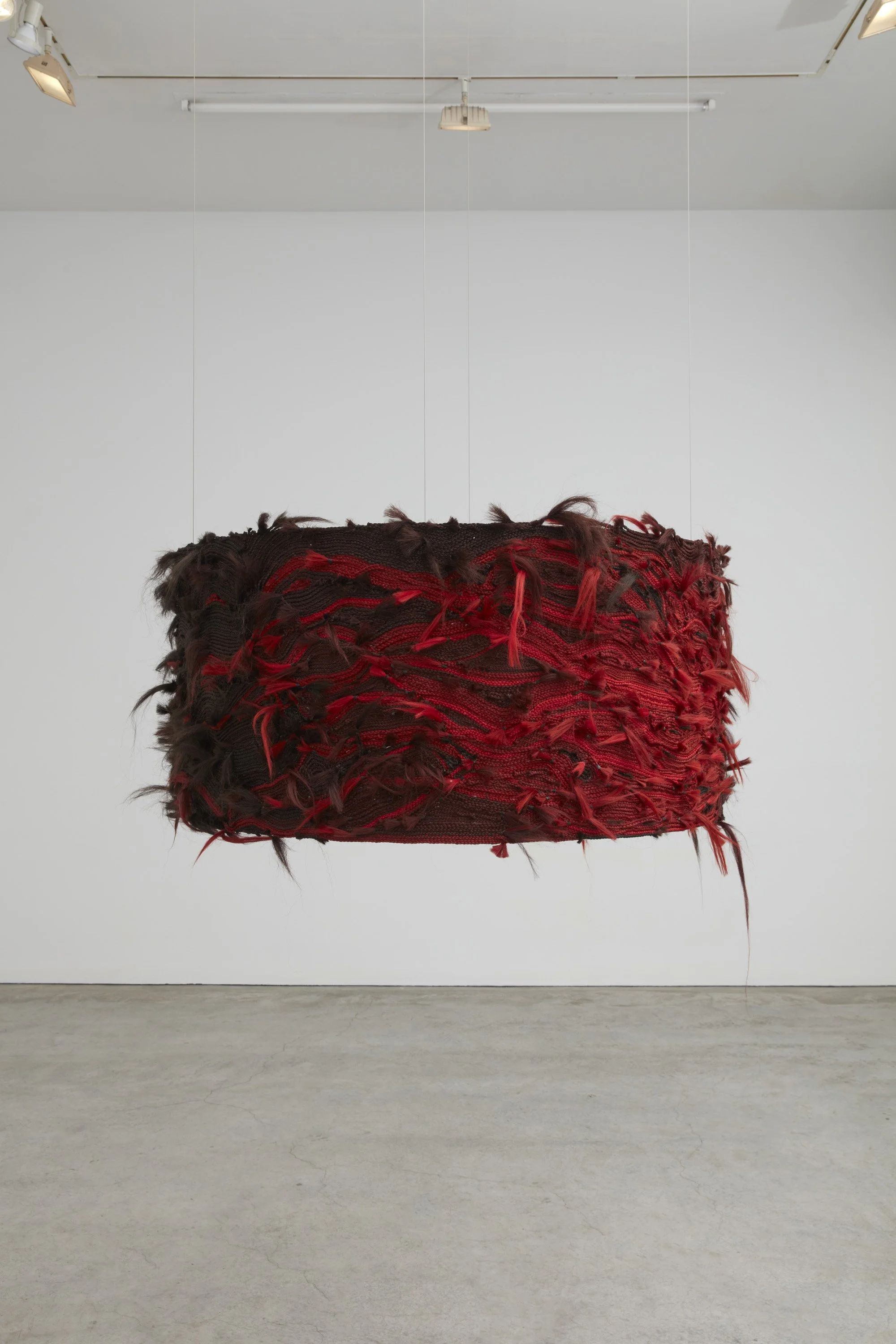
For his exhibition, Peacock will present a range of multimedia installations, incorporating hand-braided synthetic hair throughout. Featuring suspended sculptures, braided reliefs, and other paper-based installations, the works in Of the sacred and eternal blessing demonstrate Peacock’s ongoing interest in and reflection on his time spent in the forests of the Pacific Northwest. Often durational in nature, Peacock’s multi-disciplinary works integrate endurance practices such as braiding, running and talking, to explore what the artist describes as: “the different ways that intimacy arises.” By employing endurance-based practices, Peacock asks us to consider time as a material in and of itself. This malleability of time extends through the work and into the experience of viewing it, allowing a moment of communion between the artist and viewing subject.
Malcolm Peacock (born 1994) is an artist and athlete whose art often utilizes and alternates between common physical actions—talking, gazing, braiding, singing, running—to emphasize the possibilities and feelings that accompany being present in proximity to others and to oneself. His art looks closely at ways that intimacy creates emotional spaces occupied by Black subjects. Peacock received his BFA from Virginia Commonwealth University (2016), and his MFA from The Mason Gross School of Arts at Rutgers University (2019). His work will be included in the upcoming Counterpublic triennial in St. Louis, Missouri and was recently included the Whitney Biennial. He has participated in residencies at the Studio Museum in Harlem, the University of Pennsylvania, St. Roch Community Church, the Joan Mitchell Center, Denniston Hill, and the Skowhegan School of Painting & Sculpture. Peacock has exhibited at Artists Space, New York; Terrault Gallery, Baltimore; the Institute of Contemporary Art at Virginia Commonwealth University; the Prospect Triennial, New Orleans; the Carnegie Museum of Art, Pittsburgh; MoMA PS, New York; the Baltimore Museum of Art; and The Whitney Museum of American Art. Peacock is the recipient of the 58th Carnegie International Fine Prize and the Foundation for Contemporary Arts Roy Lichtenstein Award.
ARTIST’S STATEMENT
There was, resting between them, a distance. It was bright, evident, seemingly fixed. In his determination to eclipse some of it, he found a fellow feeling as he started to approach the perimeter of the glowing shadow. He recognized their bleeding in the same pattern. The asphalt began to disintegrate slowly, unnoticeable to many. And then after years, the separation collapsed under the pressure of their combined force. The imprint of the shadow no longer visible. He asked him, “What is a force?” he replied, “something that paralyzes you and mobilizes you at the same time. In the same second. In the same cell. You.” He wondered out loud, “How do you feel now? …. that the distance is Black? And the ground above our heads has fallen apart. Now that I face you. I am here. Do you want me?” He answered, “You are here. I need you.”
Together, the works in the exhibition form what I would call a convening of indelible experiences. When I returned to New York City in the Fall of 2023 from a second summer in the Pacific Northwest, I found myself once again inside the contour of a shadow that had been cast upon me by the region’s natural environment. Some of the works in this show begin with that inspiration but depart from, or rather build off of, the previous works’ desire to depict or interpret the landscape and instead are now more so serving as markers of spirit or feeling that the outdoors evoke for me. Full of growth, repetition, and an inability to be fully calculated (due to immeasurable years of development), I am invested in these forms, especially for Black folks who historically hold socialized fears around such environments, as locations or spaces of experience where one can contemplate the significance of both being among the stillness and power of these types of environments, and understanding such environments as entities that are very similar to interactions that occupy human life in the ways that we choose individuals and collectives to convene with, bond to, and rely upon for needs and spiritual development. It is important to mark this relationship as one that is deeper than an optical understanding of community or solidarity and to hold it as something akin to dire interdependence.
I want to draw a connection or through line between the braid, the natural environment, and the relationships of loved ones who also double as competitors depicted in the exhibition…that line being the necessity for interdependence and trust as a foundational tool for living and explorative practice. While traditionally understood as something aesthetic, I want to define a braid as a bonding structure created by a repeated affirmation that is transferred from one individual to another. A blessing rooted in trust. A form of covering, ultimately state of protection. A structure where time, in its accumulated state, serves as integral to the groundwork for varied lived experiences that often cannot be visually recognized but are deeply embodied and shared. The experience of the touch of a hand, of wiping a tear, of the pain born from belting laughter, of tending to another’s ruptured Achilles, of returning underground to interlocking roots that have only ever known a life of clinging and grasping. The works in this exhibition deal with time as a material to be contended with. Although limited, the occupancy of time is malleable, and I’m interested in the extension of self in relation to others as an enduring act that brings into question the extent to which one is willing to be changed and altered. These works have emerged from labored time (both in their making as well as in their experiences from which they sprung). I credit time with providing the slate, the space for the possibility of change to be pursued whether within oneself or among collectives. The exhibition does not aim to arrive at a destination with a statement but rather its purpose can be found in the act of considering the granular shifts made possible by singular moments in space and time.